
The Art of Unique Leather Item Designs
Leatherwork is more than just a craft - it’s a way of life. As a veteran, a leather craftsman, and a family man, I’ve learned that creating unique leather item designs is about blending rugged durability with personal expression. Whether you’re after a piece of armor for the SCA or a custom leather accessory for everyday use, the process demands patience, skill, and a deep respect for the material. Let me take you through what makes leather design an art form worth mastering.
Crafting Unique Leather Item Designs That Last
When it comes to leather, durability isn’t just a bonus - it’s a necessity. You want your gear to stand up to the test of time, whether that’s a day at a Renaissance fair or years of daily wear. The secret lies in selecting the right leather and treating it with care.
Choose full-grain leather: This is the toughest, most natural form of leather. It ages beautifully and develops a patina that tells your story.
Use quality tools: From stitching awls to edge bevelers, the right tools make all the difference.
Master your stitching: Hand-stitching with waxed thread isn’t just traditional; it’s stronger and more reliable than machine stitching.
Finish with care: Oils, waxes, and dyes protect the leather and enhance its character.
Every unique leather item design I create starts with these fundamentals. It’s about building something that’s not just beautiful but built to last.

What is the Design on Leather Called?
If you’re new to leatherwork, you might wonder what the fancy patterns and textures on leather are called. The answer depends on the technique used:
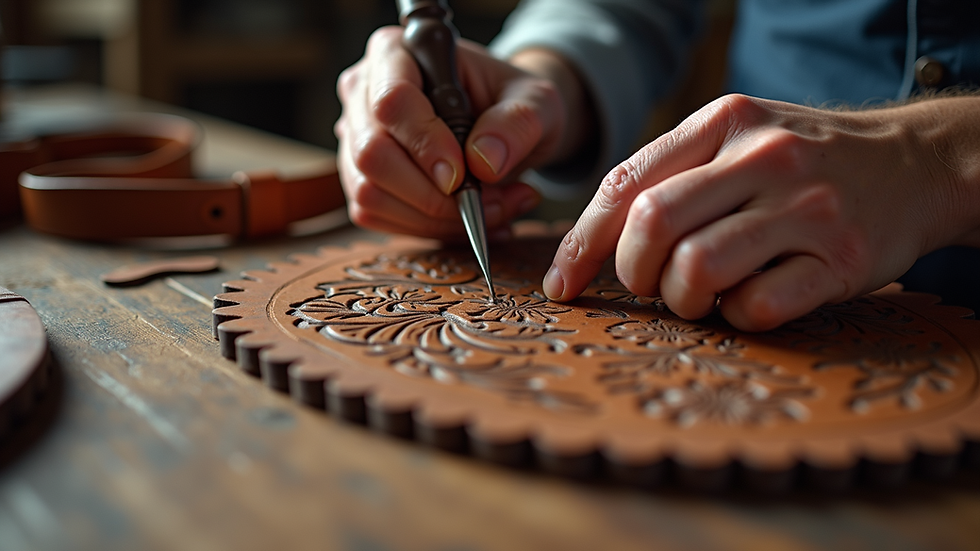
Tooling: This is the art of carving or stamping designs into the leather surface. It’s often done with special stamps and swivel knives to create intricate patterns.
Embossing: This technique presses a design into the leather, creating a raised or recessed effect.
Burnishing: While not a design per se, burnishing smooths and polishes the edges, giving a finished look.
Dyeing and painting: Adding color can highlight designs or create custom artwork on leather.
Tooling is probably the most iconic form of leather design. It’s what you see on cowboy belts, saddles, and custom armor pieces. The process requires a steady hand and a good eye for detail. Each cut and stamp tells a story, making your leather item truly one of a kind.
The Value of Custom Leather Design in Your Gear
There’s something special about owning a piece that’s been made just for you. When you invest in a custom leather design, you’re not just buying a product - you’re getting a story, a piece of craftsmanship that reflects your personality and needs.
Here’s why custom leather goods stand apart:
Tailored fit and function: Whether it’s armor that fits your frame or a wallet that holds your essentials perfectly, customization means no compromises.
Unique aesthetics: You get to choose colors, patterns, and finishes that speak to your style.
Quality assurance: Handmade means every stitch and cut is inspected with care.
Connection to the maker: You’re supporting a craftsperson who takes pride in their work.
For those in the SCA or cosplay communities, custom leatherwork isn’t just about looks. It’s about authenticity and performance. Armor needs to be tough but comfortable. Accessories should complement your character without falling apart after a few uses. That’s why I put my heart into every piece I make.
Tools and Techniques That Bring Leather to Life
Leather crafting isn’t just about slapping pieces together. It’s a dance of precision, patience, and passion. Here’s a quick rundown of some essential tools and techniques I rely on:
Swivel Knife - For cutting detailed designs into the leather surface.
Stamping Tools - Used to create textures and patterns by hammering into the leather.
Edge Beveler - Rounds off the edges for a smooth, professional finish.
Stitching Groover - Creates a channel for stitching, protecting the thread from wear.
Burnishing Tools - Polishes edges to a shine using friction and wax.
Dyes and Finishes - Add color and protect the leather from moisture and wear.
Each step requires focus. For example, when tooling a design, you have to work slowly and deliberately. One wrong cut can ruin hours of work. But when it all comes together, the result is a piece that’s as tough as it is beautiful.
Building a Legacy with Leather
Leatherwork is more than a hobby or a business - it’s a legacy. Every piece I create carries a bit of my story, my values, and my commitment to quality. It’s about making something that lasts, something that can be passed down through generations.
If you’re looking for gear that’s rugged, reliable, and uniquely yours, investing in handcrafted leather goods is the way to go. Whether it’s a custom piece of armor for your next event or a durable everyday carry item, the art of leather design brings function and style together in a way mass-produced goods never can.
So, if you want gear that’s built with integrity and crafted with care, remember that the best leather items come from those who respect the material and the craft. And that’s exactly what I aim to deliver with every stitch.

Leather is a living material, and working with it is a journey. It demands respect, skill, and a bit of grit. But the reward? Gear that’s as tough and unique as the person who wears it. That’s the art of unique leather item designs.


Comments