
Unveiling the Craft of Tailored Leather Armor Crafting
- vasekarmoryandleat
- Dec 29, 2025
- 4 min read
Leather armor has a way of capturing the imagination like few other things. It’s rugged, practical, and steeped in history. As a U.S. veteran, leather craftsman, and family man, I’ve spent years honing the art of tailored leather armor crafting. It’s not just about slapping pieces of leather together and calling it armor. It’s about precision, patience, and a deep respect for the materials and the craft. Today, I’m pulling back the curtain on what it really takes to create armor that’s not only functional but also a piece of wearable art.
The Backbone of Tailored Leather Armor Crafting: Quality Materials
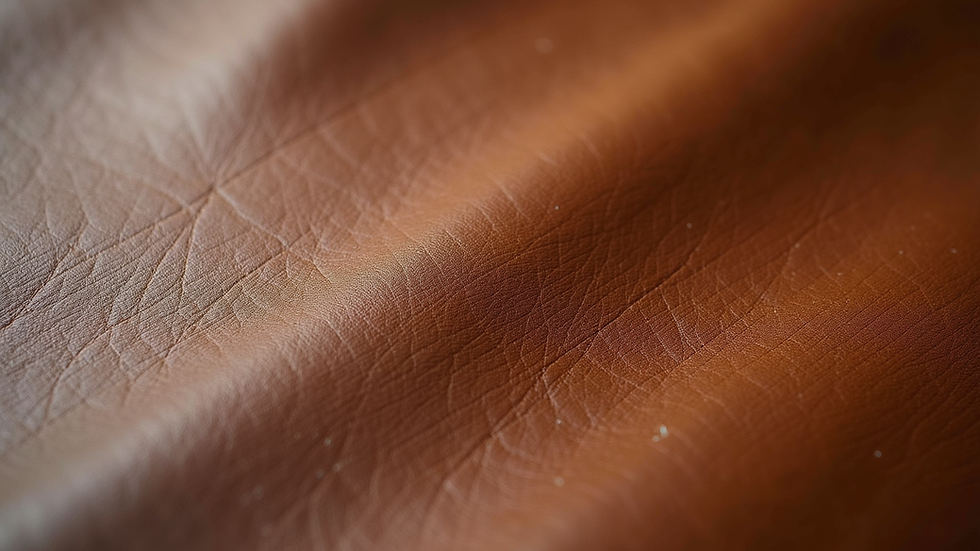
When it comes to leather armor, the first thing you need to understand is that quality starts with the leather. Not all leather is created equal. I’m talking about thick, vegetable-tanned leather that can take a beating and still look good doing it. This isn’t your run-of-the-mill leather jacket material. It’s dense, durable, and has a natural grain that tells a story.
I always recommend sourcing leather from reputable tanneries that specialize in armor-grade hides. The thickness usually ranges from 6 to 10 ounces, depending on the piece you’re crafting. For example, a chest plate might need thicker leather for protection, while arm guards can be a bit lighter for flexibility.
Here’s a quick rundown of what I look for in leather:
Vegetable-tanned: This type ages beautifully and can be molded when wet.
Consistent thickness: Avoid spots that are too thin or too thick.
Minimal blemishes: Scars and marks can weaken the armor.
Natural grain: Adds character and strength.

The Art and Science of Tailored Leather Armor Crafting
Crafting leather armor is a blend of art and science. It’s about understanding the human body, the way leather behaves, and how to combine those elements into something that fits like a second skin. The process starts with measuring and pattern making. I don’t believe in one-size-fits-all armor. Every piece is tailored to the individual’s body measurements to ensure comfort and mobility.
Once the pattern is ready, the leather is cut carefully using sharp tools. This is where precision matters. A slip here can ruin an entire hide. After cutting, the leather is soaked in water to make it pliable. This is the moment when the leather starts to take shape. Using wooden forms or molds, I shape the leather to fit the contours of the body.
Next comes the hardening process. This involves wetting the leather again and then letting it dry in the desired shape. Some craftsmen use waxes or oils to add water resistance and durability. I prefer natural beeswax and neatsfoot oil for that authentic finish.
Finally, the pieces are stitched or riveted together. I use heavy-duty thread and rivets that can withstand stress without breaking. The edges are beveled and burnished to prevent fraying and add a polished look.

Why Customization Matters More Than You Think
You might be wondering why go through all this trouble when you can buy off-the-shelf armor. Here’s the thing - customization is king. Off-the-rack armor often sacrifices fit and comfort for mass production. That’s a no-go if you’re wearing it for hours at a time, whether it’s for SCA events, cosplay, or reenactments.
Custom made leather armor lets you choose:
Design elements: From embossed patterns to color dyes.
Fit: Tailored to your exact body shape.
Functionality: Adding straps, buckles, or padding where you need it.
Durability: Selecting the right thickness and finish for your use case.
When you invest in custom armor, you’re not just buying protection; you’re investing in a piece that feels like it was made for you - because it was.
If you want to explore options, check out custom made leather armor that balances tradition with modern craftsmanship.
Tools of the Trade: What Every Leather Armor Maker Needs
You don’t need a fancy workshop to start crafting leather armor, but having the right tools makes all the difference. Here’s a list of essentials I swear by:
Sharp leather knives and rotary cutters - For clean, precise cuts.
Cutting mat - Protects your surfaces and keeps blades sharp.
Leather punches - For holes needed for stitching or rivets.
Mallet and wooden forms - To shape and mold the leather.
Heavy-duty needles and waxed thread - For stitching thick leather.
Edge bevelers and burnishers - To smooth and finish edges.
Dyes, waxes, and oils - To color and protect the leather.
Rivets and buckles - For fastening and reinforcement.
Investing in quality tools is just as important as the leather itself. Cheap tools will frustrate you and compromise your work.
Wearing Your Craft: The Pride of Handmade Armor
There’s something special about wearing armor you made with your own hands. It’s not just about protection or aesthetics; it’s about the story behind it. Every scratch, every stitch, every burnished edge tells a tale of hard work and dedication.
When I wear my armor, I’m reminded of my time in service, the discipline it took to learn a craft, and the joy of creating something tangible for my family and community. It’s a connection to history and a nod to the future of craftsmanship.
If you’re thinking about getting into leather armor crafting or investing in a piece, remember this: it’s not just gear. It’s a legacy.
Keeping the Craft Alive and Thriving
Leather armor crafting isn’t just a hobby or a business for me. It’s a way to keep a tradition alive. At Vasek Armory and Leatherwork, we’re building more than just armor. We’re building a community of folks who appreciate quality, integrity, and the rugged beauty of handcrafted leather goods.
Whether you’re gearing up for your next SCA event, cosplay convention, or just want something that stands the test of time, remember that true craftsmanship is about patience, respect for materials, and a willingness to learn.
So, grab your tools, pick your leather, and start shaping your own story. The craft is waiting.
Thanks for sticking with me through this deep dive into tailored leather armor crafting. If you want to see more or get your own piece, don’t hesitate to reach out. There’s nothing quite like the feel of leather armor made just for you.


Comments